


Size and health are the biggest drivers of value

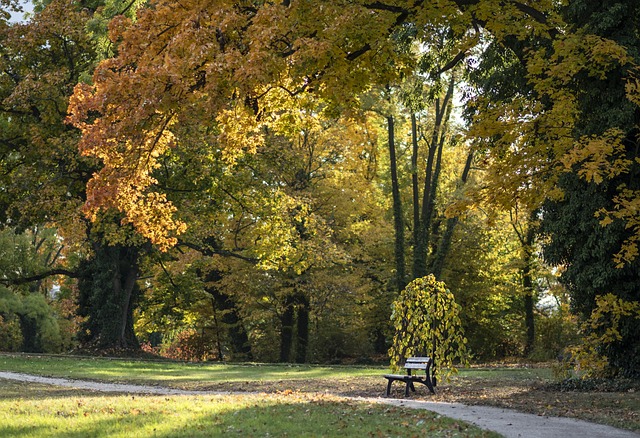
Ecosystem service delivery scales strongly with tree size. As trunk diameter grows, so does carbon storage, avoided stormwater run-off, and air pollution remova. A larger tree carries more woody biomass and presents a bigger canopy to intercept rain and trap particles. Above a trunk diameter of roughly 60 cm, the gap between large-stature species and smaller ones becomes significant across every service measured. The most valuable trees in a city are the large, mature specimens that have been allowed to reach their potential.
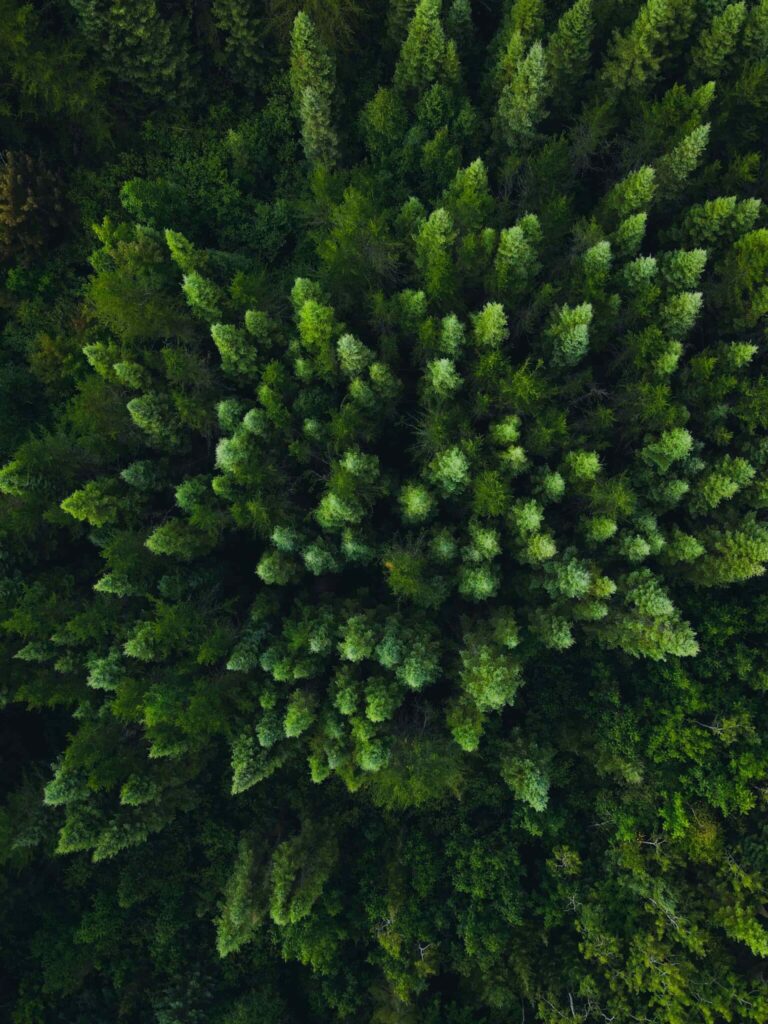
Image: Carbon sequestration.

Species matter too …
Management is what turns potential into value
If size and health determine how much a tree can deliver, management determines whether that potential is ever realised.
Selection, establishment, maintenance, removal
Many local authorities state a preference for large-stature trees precisely because of the benefits they bring. Yet in practice, a steady drift toward planting smaller species has been observed, driven by fears of property damage and liability. The trees capable of delivering the most value are quietly selected out at the earliest possible stage.
The first few years are decisive. Young urban trees face compacted soil, limited moisture, and pollution at once, and reported mortality has run around 20%. Every tree that dies young is a permanent loss of lifetime value. Yet improving survival need not be expensive. Cutting mortality by even a few percent significantly improves long-term delivery, and simple measures like resident watering and formative pruning have been shown to help.
A high proportion of all maintenance is reactive, carried out only when a problem forces the issue, leaving other trees neglected until they too reach crisis. Tighter budgets lengthen pruning cycles, leading to heavier, more damaging prunes that remove canopy and slow growth. The alternative, systematic, cyclical inspection, catches issues while they are small and cheap. One example: by adopting cyclical pruning to manage subsidence risk, some authorities halved the number of mature trees felled.
This is where value disappears fastest. Large, mature trees are disproportionately removed because they raise safety concerns and cost more to maintain. Even though the likelihood of harm is very hard to estimate, and fear of a rare event tends to dominate the decision. The cost is twofold: the immediate loss of everything the tree delivered, plus the long lag while a replacement slowly matures. Retaining an existing large tree is often just as important as planting a new one.
The decision gap and how to close it

For a city, that means identifying high-value mature trees approaching a tipping point, making the case to retain large trees with evidence rather than instinct, directing limited budgets toward the trees that matter most, and quantifying the carbon, cooling, and air-quality value of its greenery. At a fraction of the cost of a full field inventory.

Want to know which of your city’s trees are delivering the most value and which are quietly at risk? Explore a the UpGreen analysis and turn scattered observations into systematic, data-based decisions.

References: This article draws on Hand, K. L. and Doick, K. J. (2019), “Understanding the role of urban tree management on ecosystem services,” Forest Research Note FRRN039, published under the Open Government Licence.